Investigating
the Effects of Solanum nigrum Linn. against
Spodoptera frugiperda
in Nicotiana tabacum
Jessica C. Ginez-Gilo1
and Jeffrey C. Ginez2
1Wonderful Grace Learning Center, Philippines
2Philippine Normal University – Manila, Philippines
Corresponding Author: Jeffrey C. Ginez, ginez.jc@pnu.edu.ph
Received: 01-05-2025, Accepted: 08-05-2025, Published
online: 23-05-2025
DOI:
https://doi.org/10.33687/ricosbiol.03.05.61
ABSTRACT
Control, management,
and eradication of Spodoptera frugiperda or
Fall armyworm (FAW) are challenging without
the extensive use of inorganic pesticides. However, extensive application of inorganic
pesticides threatens human health, animals, and the environment. Hence, natural,
organic, and eco-friendly substances are needed to control the proliferation of
FAW. The main objective of this study
was to determine the effects of Solanum nigrum
Linn., or Black nightshade or Am-amsi
leaf and fruit aqueous extract, on FAW found in Nicotiana
tabacum, or Burley tobacco plants. A field experimental method using a completely
randomized design was employed. Data gathered were analyzed through descriptive
statistics such as mean and ANOVA. Phytochemical analysis revealed that black nightshade
contains flavonoids, saponins, steroids, and terpenoids. Secondly, FAWs were irritable
upon application of Am-amsi aqueous extract
and became immobile after 12 hours of application. Moreover, there was an increasing
mortality of FAW in the four treatments after 24 to 72 hours of application. In
addition, there was a significant difference between T1 (25% concentration)
and T4 (100% concentration) after 36 hours; there was a significant difference
between T2 (50% concentration) and T4 after 60 hours; and
there was a significant difference between T1 and T4 after
72 hours. Finally, post hoc analysis showed that T3 (75% concentration)
was comparable to T4 when compared to a synthetic insecticide. It has
been demonstrated that T4 of the aqueous extract was the most effective
against FAW, while T3 was comparable to T4 concentration.
The phytochemical components of Black nightshade contributed to the irritability,
immobility, and mortality of FAW. These findings suggest that Black nightshade is
a potential natural and organic larvicide against FAW. Through the use of leaf and
fruit extract of Am-amsi, tobacco farmers
can control FAW which is a safer, more cost-effective, and more eco-friendly pesticide.
KEYWORDS: Burley tobacco, organic pesticides, phytochemical analysis, Solanum nigrum
Linn, Spodoptera frugiperda.
Introduction
Tobacco farming
is a profitable agricultural crop because it serves as one of the sources of income
for the farmers in Isabela. Tobacco farming provided employment for 43,960 tobacco
farmers in the Philippines with 18.17% tobacco farmers originating from Isabela
(NTA, 2023a). Tobacco farming contributes employment opportunities in the agriculture
sector. The agriculture sector in the
Philippines provides a total employment of 23.87% or 10.36 million in 2020-2022.
These data imply that almost one-fourth of the employed population are engaged in
agriculture. This population considers farming as a primary source of income among
farmers (Baclig, 2022).
There are several
varieties of tobacco plants, but only three varieties are commonly grown by tobacco
farmers in Isabela. These include Nicotiana
rustica, or Native tobacco; Nicotiana
tabacum or Burley; and Nicotiana tabacum
Linn. or Broadleaf (NTA, 2023b). In
Quirino, Isabela, Burley is usually grown by most tobacco farmers. The following
are the photos of tobacco species grown in Isabela.
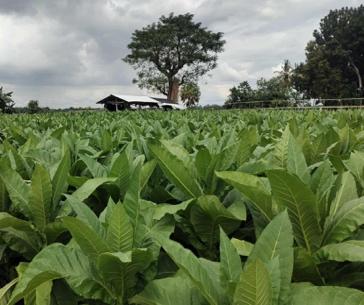
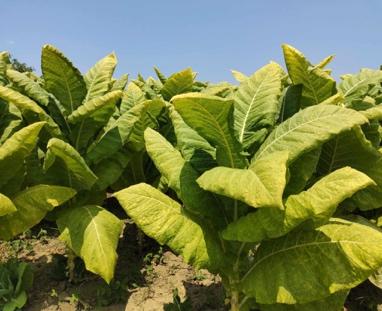
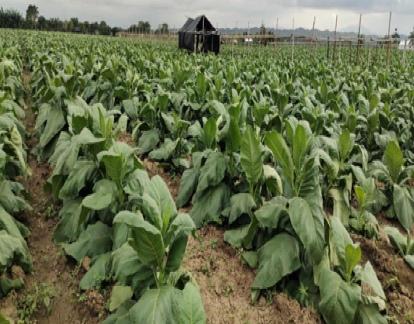
Fig. 1. Photos of
Nicotiana rustica, Nicotiana tabacum, and
Nicotiana tabacum
Linn.,
respectively (NTA, 2023)
However, cultivating
tobacco plants requires intensive care and management. Many pests grow along with
the growing tobacco plants. The existence and rapid population growth of pests such
as Spodoptera frugiperda or Fall armyworm
(FAW) is one of the major problems among tobacco farmers in the country (DA, 2020).
Matova et al. (2020) mentioned that control, management, and eradication
of FAW was challenging. This kind of pests greatly affect the growth and quality
of tobacco plants. The widespread occurrence of FAW occurs during the vegetative
and flowering stage of the tobacco plants. For this reason, tobacco farmers employ
scouting where they manually pick the larvae out of the tobacco plants. This requires
a great manpower, time, and cost. Conveniently, the majority of the tobacco farmers
sprayed inorganic pesticides in tobacco plants to manage the proliferation of FAW.
Accordingly, Lu (2022) revealed that farmers utilized pesticides on an average 2.31
days per week and were exposed for 3.46 months per cropping season. Tobacco farmers
spray inorganic pesticides more than twice a week on the onset of vegetative stage
of tobacco up to flowering stage. Consequently, FAW larvae may have developed pesticide
resistance due to intensive use of pesticides. This may often lead to the disruption
of tobacco growth resulting in decreased tobacco production and income. Additionally,
Huyen et al. (2020) reported that overapplication of inorganic pesticides
on crops threatens human’s health and the environment.
To lessen the risks
of inorganic pesticides, we can maximize the potentials of medicinal plants found
in the backyards. Solanum nigrum or Black
nightshade can be a potential natural and organic pesticide in controlling the population
of FAW, which are cost-effective, harm-free, and eco-friendly.
Black Nightshade is an erect, branched and smooth herb and
one meter or less in height. Stems are green and leaves are oblate to oblong and
have pointed ends. Its flowers are white and fruits or berries are smooth, round
and green when unripe and turn dark purple when ripens and seeds are yellow. Figure
2 shows illustrations of the Am-amsi plant.
In the Philippines, it is called Am-amsi in Ilocano, Lubi-lubi
in Tagalog, and Amti in Ifugao. For
Ilocanos, the young leaves of Am-amsi
are edible and usually cooked as a fermented fish sauce soup-based dish,
steamed or as a salad. They can grow anywhere.
The Solanum nigrum
Linn. belongs to Kingdom Plantae, Phylum Magnoliophyta, Order Solanales,
Solanaceae family, and Genus Solanum. It is widely spread in tropical regions
and subtropical regions. It has beautiful and whitish flowers.
Fig. 2: Photos of
whole Am-amsi plant and gathered whole
Am-amsi plant
taken by the researcher,
respectively
It has 39 species and 14 varieties in China. In Southeast
Asia, it is a natural and common edible medicinal herb. It is also widely distributed
in the temperate regions of Europe, Asia, and America. Traditionally, it has been
used by people to treat cancers, acute nephritis, urethritis, leucorrhea, sore throat,
toothache, dermatitis, eczema, carbuncles, and furuncles (Chen et al., 2022).
Additionally, Khan, Qais, and Ahmad (2019) described it as a herbaceous plant with small, green, rounded
berry fruits that turns purple to black when ripe and are used to treat various
diseases, including cancer and tumors.
There are various benefits of black nightshade, which include
sources of food and medicine due to its various nutritional and medicinal characteristics.
Mandal et al. (2023) reported that it served as a food supply in Indian cultures.
Moreover, it was used to treat infectious diseases such as cancer, acute nephritis,
leucorrhea, sore throats, toothaches, dermatitis and eczema. It was also reported
that it has anti-analgesic and anti-microbial activity. Additionally, Jain et
al. (2011) found out to have antiproliferative activity in preventing the spread
and growth of tumor cells in the liver, colon, and breast, as well as antiseizure,
antioxidant, anti-inflammatory, and antifungal activity.
Various studies revealed that it contains natural phenolic
and flavonoid compounds (Campisi et al., 2019; Alam et al., 2022;
Callano, 2021; Thejaswini et al., 2023). These two substances promoted antioxidant
activity in preventing and managing neurodegenerative diseases and reduced liver
enzymes and oxidative stress. In addition, Bibon (2021) reported that it contains
solasodine. Solasodine has antibacterial activity against Escherichia coli, which causes diarrhea and vomiting once it enters
the human body.
Apart from the nutritional and medicinal value of Black nightshade,
it possesses pesticidal activity on various test insects. Spochacz et al.
(2020) experimented with the extract of S.
nigrum and found out that it could increase the toxicity of fenitrothion against
Tenebrio molitor larvae. Moreover, Rahat
et al. (2021) evaluated the insecticidal activity of S. nigrum on 2nd instar larvae
and adults of Drosophila melanogaster.
When the treatment was applied and ingested by the test subject, the larvae showed
mortality. Malformation of adults’ wings was observed after treating the different
concentrations.
In another study, Rahman (2022) evaluated the efficiency of
alcoholic and alkaloid extracts of leaves and fruits of S. nigrum against immature larvae of blue fly with varying concentrations.
Alcoholic extracts have the highest effect on killing the eggs of blue flies with
89.11%, while alkaloid extracts have 88.83% mortality rates. Alcoholic extracts
were more effective than alkaloids in killing the larvae of blue flies. Anti-larvicidal
activity of S. nigrum was also explored
by Mandal et al. (2023). 100 ml extracts of each plant part were added with
ethyl acetate solvent. The larval food with concentrations was fed to the larvae.
It was observed that the larvae were immobile and eventually died.
Based on the foregoing studies, the larvicidal activity of
S. nigrum is a potential alternative and
organic pesticide in controlling pests found in agricultural crops. Maximizing the
use of this plant is beneficial for human health, environmental protection, and
minimized use of synthetic insecticides.
FAW has the following taxonomic classification: Kingdom Animalia,
Phylum Eukaryota, Class Insecta, Order Lepidoptera, Family Noctuidae, Genus Spodoptera,
and Species Spodoptera frugiperda. It is a lepidopteran and polyphagous pest,
which has caused major damage to maize, rice, sorghum, sugarcane, and wheat. It
usually feeds on different parts of the crop, such as leaves, stems, and even fruits
(Rwomushana, 2019). The first three larval stages feed on the leaves, while the
older instars feed on the whorl, tassel, and ear. Pupae are obtect, whitish-green
turning brown and darkened nearing adult eclosion (Navasero & Navasero, 2020).
Moreover, Navik et al. (2021) reported that the most destructive and damaging
stage of FAW is in its growing larval stage. They directly feed on stems and young
shoots and leaves, which leads to slow growth and development and even death of
the crops. Figure 3 presents the life cycle of FAW.
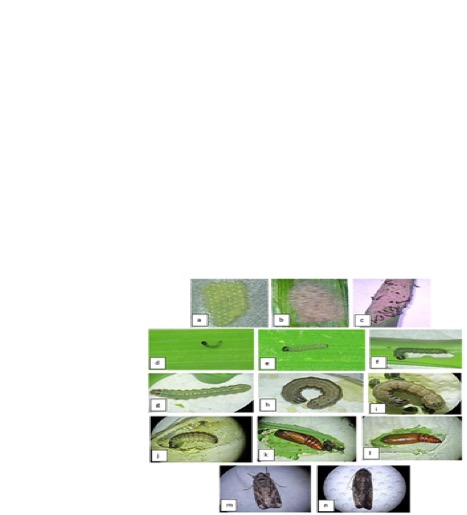
Fig. 3: The life
cycle of FAW (Navasero & Navasero, 2020)
FAW is native in
America and Europe, but its damage was first reported in Africa in 2016 (Rwomushana,
2019; Hruska, 2019). Additionally, Montezano et al. (2018) identified it
as the most important noctuid pest, which became an invasive pest in Africa, while
Sisay et al. (2018) reported it as the major pest in maize in North and South
America. In 2019, Mian (2022) stated that it is the most destructive species for
several agricultural crops in Pakistan. In India, it was reported that FAW damaged
maize fields with fields with 44-100% field infestation (Navik et al., 2021).
In the Philippines,
it was first reported in Piat, Cagayan Valley, and nine more provinces in Luzon.
The widespread attack of FAW drew attention for appropriate and sustainable methods
of control (Navasero et al., 2019). Similarly, DA (2020) reported its proliferation
in Mindanao in 2019.
Because of the proliferation
of FAW, farmers had decreased their yield, but it led to the discovery of its sustainable
management. In America, they control FAW through planting genetically modified maize,
while in Africa and Asia practiced intercropping, handpicking, application of wood
ash, soils, and tobacco extracts (Hruska, 2019). On the other hand, Montecalvo et
al. (2022) experimented with the use of wettable powders such as bentonite,
kaolin clay, sodium carbonate, and talcum powder. It was found out that the larvae
can hardly move, growth discontinued, and reduced feeding. Kaolin clay was the most
effective in controlling FAW. However, the use of wettable powders may harm farmers
when ingested. It is still safe to use organic pesticides. Furthermore, Phambala
et al. (2020) recommended farmers utilize pesticidal plants, which are effective,
sustainable, and cost-beneficial in managing FAW in Africa.
Despite the introduction
of sustainable management of FAW, many farmers utilized commercial pesticides for
convenience. Mian (2022) reported that farmers sought management strategies to eradicate
the proliferation of FAW through the use of various insecticides. In addition, Flanders,
Ball and Cobb (2019) shared that the best time to apply pesticide is early morning
or late afternoon, when FAW is active and usually grazes in the tobacco buds. However,
frequent and intensive use of pesticides results in pest resistance (Phambala et
al. 2020). Moreover, controlling and managing FAW through the use of pesticides
is risky and harmful because it is detrimental to the farmers’ health and environment
(Mian et al., 2022).
The results of the
study would offer benefits to the farmers, pharmaceutical industries, national government
agencies (NGAs) such as the Department of Agriculture (DA) and the Department of
Environment and Natural Resources (DENR), public, and future researchers. The results
of the study would be utilized by the NGAs and pharmaceutical industries for the
development of eco-friendly pesticides that will help the management of FAW and
promote the use of eco-friendly, cost-efficient, and sustainable pesticides. The
community would be provided with insights and perspectives with the cultivation
of Am-amsi as a food source and the use
of bio-insecticides to lessen the use of synthetic pesticides. Finally, farmers
would effectively control and manage the rapid population growth of FAW that is
both economical and environmental.
This study generally
aimed to investigate the potential use of Am-amsi
as a larvicide against FAW. Specifically, it aimed to answer the following questions:
1. What
are the phytochemical compositions present in the fruit and leaf extracts of Solanum nigrum Linn?
2. What
are the effects of the varying concentrations of fruit and leaf extracts of Solanum nigrum Linn. on Spodoptera frugiperda found in Burley tobacco
plants?
3. Is there
a significant difference in the varying concentrations of fruit and leaf extracts
of Solanum nigrum Linn. against Spodoptera frugiperda?
Materials
and methods
Gathering of Am-amsi and Phytochemical Screening of Am-amsi Aqueous Extracts
The proper identification
of Am-amsi was done through the assistance
of agriculturists from the Municipal Agriculture Office of Quirino, Isabela, Philippines,
in the absence of the botanist in the area. The plant samples were collected in
Manaoag, Quirino, Isabela, Philippines. They were washed with tap water to remove
the dirt and were washed twice using distilled water to further remove the impurities.
After washing and draining, the leaves and fruits were weighed, chopped into smaller
pieces, and placed in the sterilized blender to attain a more refined particle.
It was then filtered using sterilized cheesecloth and filter paper. The fresh extracts
were placed in a beaker and measured with respective volume of 25% concentration
or 15g /ml of the aqueous extract for Treatment 1 (T1), 50% concentration
or 30g/ml for Treatment 2 (T2), 75% concentration or 45g/ml for Treatment
3 (T3), and 100% concentration or 60 g/ml for Treatment 4 (T4).
Samples of Am-amsi aqueous extract were
tested for the possible presence of phytochemical constituents such as flavonoids,
saponins, phenols, steroids, terpenoids, anthocyanins, quinones, and tannins. The
researchers sought the assistance of the Central Analytical Laboratory of Cagayan
State University-Andrews Campus, Philippines for the confirmatory test of phytoconstituents
due to the unavailability of laboratory equipment and chemicals in the school where
the primary researcher is teaching. The different methods employed in determining
the presence of phytochemical constituents were presented in Table 1.
Collection of FAW
Larvae
FAW egg masses were
observed in the tobacco field and were put under observations until they became
larvae. The FAW larvae of the same stage, 3rd- 4th instar
larvae, were collected and placed on the experimental plants. The proper identification
of the test insects was conducted through the assistance of agriculturists from
the Municipal Agriculture Office of Quirino, Isabela, Philippines, in the absence
of the entomologist in the study site.
Land Preparation
and Experimental Lay-out
The experimental
area was harrowed two weeks before transplanting Burley tobacco, followed by the
second harrowing five days before planting. The area was divided into five blocks
representing the treatments with one meter distance from each block. Each block
was subdivided into three plots 0.50 meter apart, representing replications.
The Burley plants
were 60 days old when the second harvesting of leaves was taken. In this stage,
the attack of FAW was rampant. The experimental Burley plants were not sprayed with
commercial insecticides along with its neighboring Burley plants to ensure that
the test insects were not affected and contaminated.
Data Gathering Procedure
To understand the
relationship between two or more variables, the field experimental method was employed.
A total of 450 FAW larvae were used and grouped into three consisting of three replicates
with three plants per replication with 10 FAW larvae each. There were four treatments
using the Am-amsi aqueous extracts with
a volume of 60ml as the baseline: T1 with 25% concentration or 15 ml
of aqueous extract and 45 ml of distilled water, T2 with 50% concentration
or 30ml of aqueous extract and 30 ml of distilled water, T3 with 75%
concentration or 45 ml of aqueous extract and 15 ml of distilled water, and T4
with 100% concentration or 60ml of pure aqueous extract. In addition, the fifth
treatment, or T0, for the commercial larvicide serves as the positive
control.
There were three
replicates per treatment. The different concentrations were sprayed with 5ml to
the FAW early in the morning and were observed for 12 hours, 24 hours, 36 hours,
48 hours, 60 hours, and 72 hours. A completely randomized design (CRD) was used.
The Least Significant Difference (LSD) Test was used to test the treatment mean
difference. The data were gathered in terms of the number of mortalities at a given
time interval. Observed responses such as immobility, irritability, and non-feeding
were also recorded. In describing the data, mean and standard deviation were used.
One-way ANOVA was used to test if there was a significant difference in the larvicidal
activity of Am-amsi leaf and fruit aqueous
extract. The statistical tool used was Statistical Package for the Social Science
(SPSS) software.
Results
and discussion
Phytochemical Constituents
present in Am-amsi
Based on the results
obtained from the phytochemical screening through the assistance of the Central
Analytical Laboratory of Cagayan State University, Philippines, it showed that Am-amsi fruit and leaf aqueous extracts were
proven to contain secondary metabolites of flavonoids, saponins, steroids, and terpenoids.
However, anthocyanin, phenols, quinones, and tannins were absent. Table 1 shows
the various phytochemical constituents present in the aqueous extract of Am-amsi.
Table 1: Phytochemical
Constituents Present in Am-amsi Fruit and Leaf Aqueous Extract
|
Parameter |
Method Used |
Result |
|
Anthocyanin |
Alkaline Reagent
Test |
-ve |
|
Flavonoids |
Shinoda Test |
+ve |
|
Phenols |
Ferric Chloride
Test |
-ve |
|
Quinones |
Munoz et al.
(2021) |
-ve |
|
Saponins |
Froth Test |
+ve |
|
Steroids |
Liebermann-Burchard
Test |
+ve |
|
Tannins |
Braymer’s Test |
-ve |
|
Terpenoids |
Salkowski Test |
+ve |
Results of this
study confirmed the study conducted by Jain et al. (2011), Callano (2021),
and Thejaswini et al. (2023) that Am-amsi
contained flavonoids. This phytochemical constituent has antioxidant anti-inflammatory,
anticancer and antiviral property, which could be a potential larvicide against
FAW.
Meanwhile, saponins,
steroids, and terpenoids found in plants are also potential larvicides against FAW.
Marrelli et al. (2016) reported that saponins have pharmacological properties
such as anti-inflammatory, antifungal, and cytotoxic. Steroids present in plants
have anti-cancer, anti-inflammatory, and anti-viral properties (Yerlikaya et
al., 2023). Finally, Boncan et al. (2020) discovered that terpenoids
have toxic and repellent effects on insects.
The wide array of
potentials of Am-amsi plants due to their
different pharmacological properties provides various benefits, such as medicine
and natural pesticides, due to the presence of the aforementioned phytochemical
constituents.
The Effects of Am-amsi Aqueous Extract on FAW
After 12 hours of
exposure of FAW to the different treatments, only T2 and T4
had an effect on FAW in terms of mortality, while T1 and T3
had no FAW mortality. However, upon application, FAW had noticeable responses such
as irritability and immobility. After 24 hours, 36 hours, 48 hours, 60 hours, and
72 hours of exposure, it was noticeable that there was an increased mean mortality
of FAW on all the treatments. The FAW began to be immobile and paralyzed as time
went by. They did not migrate from where they were placed before the application
of the treatment. There was a significant mortality within the given population
after 72 hours. Table 2 presents the increasing mortality rate of FAW in the different
time intervals.
Table 2: Mortality
Rate of FAW in the Different Time Intervals
|
Time |
Treatment |
Mean Mortality Rate of FAW |
|
After 12 hrs |
T1 |
0.00 |
|
T2 |
1.10 |
|
|
T3 |
0.00 |
|
|
T4 |
2.23 |
|
|
After 24 hrs |
T1 |
1.10 |
|
T2 |
3.33 |
|
|
T3 |
2.33 |
|
|
T4 |
5.57 |
|
|
After 36 hrs |
T1 |
1.10 |
|
T2 |
4.43 |
|
|
T3 |
5.57 |
|
|
T4 |
7.77 |
|
|
After 48 hrs |
T1 |
4.43 |
|
T2 |
5.57 |
|
|
T3 |
8.90 |
|
|
T4 |
10.00 |
|
|
After 60 hrs |
T1 |
7.77 |
|
T2 |
8.90 |
|
|
T3 |
11.10 |
|
|
T4 |
14.43 |
|
|
After 72 hrs |
T1 |
10.00 |
|
T2 |
12.23 |
|
|
T3 |
15.57 |
|
|
T4 |
17.77 |
In relation to the
mortality, FAW were considered dead due to the total immobility (Mandal et al.
2023), had dried out body, and noticeable black large spots on their head and body
(Navasero and Navasero, 2020). This confirmed that the black large spots on FAW’s
head and body was an indication of death.
Significant Difference
of the Varying Concentration of Am-amsi
Aqueous Extract
Analysis of variance
revealed that there was no significant difference among all the treatments after
12 hours, 24 hours, and 48 hours. Additionally, there is a significant difference
in at least two treatments after 36 hours, 60 hours, and 72 hours. Table 3 shows
mean mortality rate of FAW, standard deviation, ANOVA Test Results. In relation
to this, the Post Hoc tests after 36 hours, 60 hours, and 72 hours are shown in
Table 4, 5, and 6, respectively. On the other hand, T4 had the highest
mortality rate after 72 hours of exposure.
Table 3: Means,
Standard Deviation and ANOVA Test Results of the Four Treatments
|
Time |
Treatment |
Mean |
Standard Deviation |
ANOVA Result |
Interpretation |
|||
|
After 12 hrs |
T1 |
0.00 |
0.00 |
F (3, 8) = 1.83 p = 0.22 |
No significant difference in at least
two treatments |
|||
|
T2 |
1.10 |
0.58 |
||||||
|
T3 |
0.00 |
0.00 |
||||||
|
T4 |
2.23 |
0.58 |
||||||
|
After 24 hrs |
T1 |
1.10 |
0.58 |
F (3, 8) = 1.94 p = 0.20 |
No significant difference in at least
two treatments |
|||
|
T2 |
3.33 |
1.00 |
||||||
|
T3 |
2.33 |
0.58 |
||||||
|
T4 |
5.57 |
0.58 |
||||||
|
After 36 hrs |
T1 |
1.10 |
0.58 |
F (3, 8) = 6.25 p = 0.02* |
Has significant difference in at least
two treatments |
|||
|
T2 |
4.43 |
0.58 |
||||||
|
T3 |
5.57 |
0.58 |
||||||
|
T4 |
7.77 |
0.58 |
||||||
|
After 48 hrs |
T1 |
4.43 |
0.58 |
F (3, 8) = 3.78 p = 0.06 |
Has significant difference in at least
two treatments |
|||
|
T2 |
5.57 |
0.58 |
||||||
|
T3 |
8.90 |
0.58 |
||||||
|
T4 |
10.00 |
1.00 |
||||||
|
After 60 hrs |
T1 |
7.77 |
0.58 |
F (3, 8) = 7 p = 0.01* |
Has significant difference in at least
two treatments |
|||
|
T2 |
8.90 |
0.58 |
||||||
|
T3 |
11.10 |
0.58 |
||||||
|
T4 |
14.43 |
0.58 |
||||||
|
After 72 hrs |
T1 |
10.00 |
1.00 |
F (3, 8) = 6.44 p = 0.02* |
Has significant difference in at least
two treatments |
|||
|
T2 |
12.23 |
0.58 |
||||||
|
T3 |
15.57 |
0.58 |
||||||
|
T4 |
17.77 |
0.58 |
||||||
* There is a significant difference.
Table 4 shows the
Post Hoc Test after 36 hours of exposure of FAW to Am-amsi aqueous extract. It shows that only T1 and T4
had significant differences. The difference was attributed to the concentration
of the applied extract because T1 contained lesser concentration with
25% while T4 had the highest concentration with 100%. The higher concentration
of Am-amsi aqueous extract contributed
to the higher mortality rate of FAW due to its higher concentration of phytochemical
constituents.
Table 4: Post Hoc
Test after 36 hours
|
Treatment |
Other Treatments |
Mean Difference |
p – value |
Interpretation |
|
|
T1 |
T2 |
-3.33 |
0.23 |
Not significant |
|
T3 |
-4.47 |
0.09 |
Not significant |
|
|
T4 |
-6.67 |
0.01* |
Significant |
|
|
T2 |
T1 |
3.33 |
0.23 |
Not significant |
|
T3 |
-1.13 |
0.89 |
Not significant |
|
|
T4 |
-3.33 |
0.23 |
Not significant |
|
|
T3 |
T1 |
4.47 |
0.09 |
Not significant |
|
T2 |
1.13 |
0.89 |
Not significant |
|
|
T4 |
-2.20 |
0.53 |
Not significant |
|
|
T4 |
T1 |
6.67 |
0.01* |
Significant |
|
T2 |
3.33 |
0.23 |
Not significant |
|
|
T3 |
2.20 |
0.53 |
Not significant |
|
* There is a significant difference.
The Post Hoc Test
after 60 hours is presented in Table 5. It shows that T1 and T4
had significant differences. Additionally, T2 and T4 also
showed significant differences. These data
Table 5: Post Hoc
Test after 60 hours
|
Treatment |
Other Treatments |
Mean Difference |
p – value |
Interpretation |
|
|
T1 |
T2 |
-1.13 |
0.89 |
Not significant |
|
|
T3 |
-3.33 |
0.23 |
Not significant |
||
|
T4 |
-6.67 |
0.01* |
Significant |
||
|
T2 |
T1 |
1.13 |
0.89 |
Not significant |
|
|
T3 |
-2.20 |
0.53 |
Not significant |
||
|
T4 |
-5.53 |
0.03* |
Significant |
||
|
T3 |
T1 |
3.33 |
0.23 |
Not significant |
|
|
T2 |
2.20 |
0.53 |
Not significant |
||
|
T4 |
-3.33 |
0.23 |
Not significant |
||
|
T4 |
T1 |
6.67 |
0.01* |
Significant |
|
|
T2 |
5.53 |
0.03* |
Significant |
||
|
T3 |
3.33 |
0.23 |
Not significant |
||
* There is a significant difference.
imply that T1, T2, and T3
had no significant difference on the potential of controlling FAW after 60
hours of exposure to Am-amsi aqueous
extract.
Table 6 presents the Post Hoc Test after 72 hours.
It shows that T1 and T4 had significant differences after
72 hours of FAW exposure to the Am-amsi aqueous
extract. These data suggest that T4 was more effective than T1
and T2 at some points. On the other hand, T3 was comparable
to T4 because they did not have a significant difference in any time
tested. Hence, T3 and T4 were compared to T0 to
determine if the Am-amsi aqueous extract
was comparable to the synthetic insecticide.
Table 6: Post Hoc
Test after72 hours
|
Treatment |
Other Treatment |
Mean Difference |
p – value |
Interpretation |
|
|
T1 |
T2 |
-2.23 |
0.67 |
Not significant |
|
|
T3 |
-5.57 |
0.08 |
Not significant |
||
|
T4 |
-7.77 |
0.02* |
Significant |
||
|
T2 |
T1 |
2.623 |
0.67 |
Not significant |
|
|
T3 |
-3.33 |
0.37 |
Not significant |
||
|
T4 |
-5.53 |
0.08 |
Not significant |
||
|
T3 |
T1 |
5.57 |
0.08 |
Not significant |
|
|
T2 |
3.33 |
0.37 |
Not significant |
||
|
T4 |
-2.20 |
0.67 |
Not significant |
||
|
T4 |
T1 |
7.77 |
0.02* |
Significant |
|
|
T2 |
5.53 |
0.08 |
Not significant |
||
|
T3 |
2.20 |
0.67 |
Not significant |
||
Table 7 presents
the Means, SD, and ANOVA Test Results of T0, T3, and T4.
Based on the table, it showed that there was a significant difference between T0,
T3, and T4 in the different time intervals. Post Hoc Test
in the different time intervals showed that T0 had significant differences
with T3 and T4. This means that there is a difference in the
effect of T0 with T3, and T4 to the FAW. Meanwhile,
T3, and T4 did not show significant differences. This implies
that these two treatments had the same effect on the FAW in the different time intervals
of exposure to the Am-amsi aqueous extract.
Additionally, T4 was the most effective in killing FAW in comparison
with T1, and T2.
Rahat et al.
(2021) reported that Am-amsi is toxic
and has great potential as an insecticidal agent. Accordingly, the potential of
Am-amsi as a natural pesticide is
attributed to the presence of phytochemical constituents such as flavonoids,
saponins, steroids, and terpenoids. The phytochemical constituents present in
the Am-amsi potentially contributed
to the gradual mortality of the FAW. Terpenoids repelled FAW, as evidenced by
their frequent migration from one area to another of the tobacco plant during
the time interval of observation. Moreover, it could be assumed that saponin
contributed to the feeding inability, paralysis, and immobility of the FAW and
eventually led to death. The toxicity content of Am-amsi contributed to
the total immobility, dried-out body, and noticeable black color on the FAW
head and body.
Although
synthetic insecticide was not comparable to the T3 and T4
of Am-amsi aqueous extract, intensive
use of synthetic insecticides on Nicotiana
tabacum poses hazards to humans as well as to animals and the environment
because of the harmful chemical components (Huyen et al. 2020).
Table 7: Means,
Standard Deviation and ANOVA Test Results of the Three Treatments
|
Time |
Treatment |
Mean |
Standard Deviation |
ANOVA Result |
Interpretation |
|
After 12 hours |
T3 |
0.00 |
0.00 |
F (2, 6) = 19.50 p= 0.002 |
Has a significant difference in at
least two treatments |
|
T4 |
2.23 |
0.58 |
|||
|
T0 |
7.77 |
0.58 |
|||
|
After 24 hours |
T3 |
2.23 |
0.58 |
F (2, 6) = 39 p = 0.00 |
Has a significant difference in at
least two treatments |
|
T4 |
5.57 |
0.58 |
|||
|
T0 |
15.57 |
0.58 |
|||
|
After 36 hours |
T3 |
5.57 |
0.58 |
F (2, 6) = 66.33 p = 0.00 |
Has a significant difference in at
least two treatments |
|
T4 |
7.77 |
0.58 |
|||
|
T0 |
22.23 |
0.58 |
|||
|
After 48 hours |
T3 |
8.90 |
0.58 |
F (2, 6) = 85.75 p = 0.00 |
Has a significant difference in at
least two treatments |
|
T4 |
10.00 |
1.00 |
|||
|
T0 |
30.00 |
0.00 |
|||
|
After 60 hours |
T3 |
11.10 |
0.58 |
F (2, 6) = 123.50 p = 0.00 |
Has a significant difference in at
least two treatments. |
|
T4 |
14.43 |
0.58 |
|||
|
T0 |
30.00 |
0.00 |
|||
|
After 72 hours |
T3 |
15.57 |
0.58 |
F (2, 6) = 73.50 p = 0.00 |
Has a significant difference in at
least two treatments |
|
T4 |
17.77 |
0.58 |
|||
|
T0 |
30.00 |
0.00 |
Therefore, farmers
can use Am-amsi aqueous extract against
FAW as a substitute to synthetic insecticide. This natural pesticide is safer to
use, more eco-friendly, and more cost-effective than synthetic insecticides. In
using this, it eventually helps in the decreased utilization of synthetic insecticide
in controlling FAW (Spochacz et al. 2020), decreasing pesticide emissions,
and protecting farmers’ health, animals, and the environment.
Conclusions
and recomendations
Based on the foregoing
findings, it has been demonstrated that Am-amsi
aqueous fresh extract has a larvicidal activity against FAW. T3 and
T4 were effective larvicidal treatments against FAW. Thus, Am-amsi aqueous extract could be an alternative,
organic, and effective larvicide that can control FAW in Nicotiana tabacum or Burley.
The results of this
study can help farmers to effectively and sustainably control and manage the rapid
population growth of FAW through an environment-friendly method. It can also benefit
farmers by reducing the hazards posed by synthetic pesticides. Additionally, it
can be utilized by pharmaceutical industries in the production and manufacture of
cheaper, safer, and more eco-friendly larvicidal products.
It is recommended
that tobacco farmers should cultivate Am-amsi
to have accessibility of organic pesticides to preserve and perpetuate indigenous
bio-larvicidal plants. Utilization of organic pesticides such as Am-amsi aqueous extract can lessen synthetic
pesticides that are detrimental to humans, animals, and the environment. Through
this way, it can cut the cost of pesticide inputs while promoting the health and
wellness of the environment and curbing greenhouse gas emissions from pesticides.
References
Alam,
Amna, Amna Sahar, Aysha Sameen, and Muhammad Naeem Faisal. (2022). The effects of
bioactive components in Solanum nigrum against oxidative stress in liver
damage. Food Science and Technology, 42, e61822. https://doi.org/10.1590/fst.61822
Baclig, Cristina
Eloisa. (2022). Ph farms getting empty: Agriculture job loss a worrying trend. INQUIRER.net.
(2022).
Bibon,
Michael B. (2021). Antibacterial in-vitro evaluation of phenotypically screened
solasodine from Solanum nigrum Linn. against enterohemorrhagic Escherichia
coli (0157: H7). Int J Sci Res in Multidisciplinary
Studies 7 (8).
Boncan,
Delbert Almerick T., Stacey SK Tsang, Chade Li, Ivy HT Lee, Hon-Ming Lam, Ting-Fung
Chan, and Jerome HL Hui. Terpenes and terpenoids in plants: Interactions with environment
and insects." International Journal of
Molecular Sciences, 21, (no.
19) (2020):, 7382. https://doi.org/10.3390/ijms21197382
Callano,
Khris June L. (2021). Total Antioxidant Activity, Total Phenolic and Flavonoid Contents
of Eggplant (Solanum melongena L.), and Six of its Wild Relatives in the
Philippines. Silliman Journal 62 (,
no. 1) (2021).
Campisi,
Agata, Rosaria Acquaviva, Giuseppina Raciti, Anna Duro, Milena Rizzo, and Natale
Alfredo Santagati. (2019). Antioxidant activities of Solanum nigrum L. leaf
extracts determined in in vitro cellular models. Foods 8 (2), 63. https://doi.org/10.3390/foods8020063
Chen,
Xufei, Xufen Dai, Yinghai Liu, Yan Yang, Libang Yuan, Xirui He, and Gu Gong. (2022).
Solanum nigrum Linn.: an insight into current research on traditional uses,
phytochemistry, and pharmacology. Frontiers
in Pharmacology, 13, 918071. https://doi.org/10.3389/fphar.2022.918071
Department of Agriculture.
(2020). DA allots P150m to help Farmers Control Fall armyworm. Official Portal of the Department of Agriculture.
https://www.da.gov.ph/da-allots-p150m-to-help-farmers-control-fall-armyworm/
Flanders, Kathy
L., Ball, Donald M., & Cobb, Patricia P. (2019). Management of fall armyworm
in pastures and hayfields. Alabama Cooperative
Extension System. https://www.aces.edu/blog/topics/farming/management-of-fall-armyworm-in-pastures-and-hayfields/
Hruska, Allan J. (2019). "Fall
armyworm (Spodoptera frugiperda) management by smallholder. CABI Reviews, 2019, 1-11. https://doi.org/10.1079/pavsnnr201914043
https://nta.da.gov.ph/faq.html#employment.
Huyen,
Vu Ngoc, Nguyen Van Song, Nguyen Thi Thuy, Le Thi Phuong Dung, and Luong Khanh Hoan.
(2020). Effects of pesticides on farmers’ health in Tu Ky district, Hai Duong province,
Vietnam. Sustainable Futures, 2,
100026. https://doi.org/10.1016/j.sftr.2020.100026
Jain, Ramya, Anjali Sharma, Sanjay
Gupta, Indira P. Sarethy, and Reema Gabrani. (2011). Solanum nigrum: current
perspectives on therapeutic properties." Altern. Med. Rev., 16 (1), 78-85. https://www.researchgate.net/publication/50865162_Solanum_nigrum_Current_Perspectives_on_Therapeutic_Properties
Khan,
Mohammad Shavez, Faizan Abul Qais, and Iqbal Ahmad. 2019. Indian berries and their
active compounds: Therapeutic potential in cancer prevention. In New Look to Phytomedicine, 179-201. Academic
Press, 2019. https://doi.org/10.1016/b978-0-12-814619-4.00008-2
Lu,
Jinky Leilanie. (2022). Knowledge, attitudes, and practices on pesticide among farmers
in the Philippines. Acta Medica Philippina,
56 (1). https://doi.org/10.47895/amp.v56i1.3868
Mandal,
Suraj, Prabhakar Vishvakarma, Manjari Verma, Md Shamsher Alam, Ankur Agrawal, and
Anila Mishra. (2023). Solanum nigrum Linn: an analysis of the Medicinal properties
of the plant. Journal of Pharmaceutical Negative
Results, 14.
https://doi.org/10.47750/pnr.2023.14.S02.194
Marrelli,
Mariangela, Filomena Conforti, Fabrizio Araniti, and Giancarlo A. Statti. (2016).
Effects of saponins on lipid metabolism: A review of potential health benefits in
the treatment of obesity. Molecules, 21(10), 1404. https://doi.org/10.3390/molecules21101404
Matova,
Prince M., Casper N. Kamutando, Cosmos Magorokosho, Dumisani Kutywayo, Freeman Gutsa,
and Maryke Labuschagne. (2020). Fall‐armyworm invasion, control practices and resistance
breeding in Sub‐Saharan Africa. Crop science,
60 (6), 2951-2970. https://doi.org/10.1002/csc2.20317
Mian,
Fawzan Masood, Imtiaz Khan, Najeeb Ullah, Aqarab Husnain Gondal, Muhamad Saqib Ajmal,
Muhammad Sajid Qureshi, Adnan Ihsan, Muhammad Raziq, Imran Qazi, and Abdul Jabbar.
(2022). Efficacy of insecticides against fall armyworm, Spodoptera frugiperda
(Lepidoptera, Noctuidae) in Maize." Journal of Bioresource Management
9, (2), 14. https://corescholar.libraries.wright.edu/jbm/vol9/iss2/
Montecalvo,
Melissa P., Janren Sarah T. Macaraig, Marcela M. Navasero, Mario V. Navasero, and
Jose Mari M. Navasero. (2022). Effect of wettable powders on the third larval instar
of fall armyworm, Spodoptera frugiperda (JE Smith) (Lepidoptera: Noctuidae).
Philipp. Ent., 36, 19-30.
Montezano,
Débora G., D. R. Sosa-Gómez, A. Specht, Vânia F. Roque-Specht, José Carlos Sousa-Silva,
SV de Paula-Moraes, Julie A. Peterson, and T. E. Hunt. (2018). Host plants of Spodoptera
frugiperda (Lepidoptera: Noctuidae) in the Americas. African entomology, 26 (2), 286-300. https://doi.org/10.4001/003.026.0286
National Tobacco
Administration. Employment Profile of
Tobacco Industry. (2023a).
National Tobacco
Administration. Type of Tobacco Grown in the Philippines. (2023b). https://nta.da.gov.ph/faq.html#grown.
Navasero,
Marcela M., and Mario V. Navasero. (2020). Life cycle, morphometry and natural enemies
of fall armyworm, Spodoptera frugiperda (JE Smith) (Lepidoptera: Noctuidae)
on Zea mays L. in the Philippines., Journal
of the International Society for Southeast Asian Agricultural Sciences, 26 (2), 17-29. https://www.researchgate.net/publication/346000914_LIFE_CYCLE_MORPHOMETRY_AND_NATURAL_ENEMIES_OF_FALL_ARMYWORM_Spodoptera_frugiperda_JE_Smith_Lepidoptera_Noctuidae_ON_Zea_mays_L_IN_THE_PHILIPPINES
Navasero, Mario
V., Navasero, Marcela, Aries, Gideon, and Burgonio, Gideon. (2019). Detection of the Fall Armyworm, Spodoptera
frugiperda (J.E. Smith) (Lepidoptera: Noctuidae) using larval morphological
characters, and observations on its current local distribution in the Philippines.
Researchgate. https://www.researchgate.net/publication/338402159_DETECTION_OF_THE_FALL_ARMYWORM_Spodoptera_frugiperda_JE_Smith_LEPIDOPTERA_NOCTUIDAE_USING_LARVAL_MORPHOLOGICAL_CHARACTERS_AND_OBSERVATIONS_ON_ITS_CURRENT_LOCAL_DISTRIBUTION_IN_THE_PHILIPPINES
Navik,
Omprakash, A. N. Shylesha, Jagadeesh Patil, T. Venkatesan, Y. Lalitha, and T. R.
Ashika. (2021). Damage, distribution and natural enemies of invasive fall armyworm
Spodoptera frugiperda (JE smith) under rainfed maize in Karnataka, India.
Crop Protection, 143, 105536. https://doi.org/10.1016/j.cropro.2021.105536
Phambala,
Kelita, Yolice Tembo, Trust Kasambala, Vernon H. Kabambe, Philip C. Stevenson, and
Steven R. Belmain. (2020). Bioactivity of common pesticidal plants on fall armyworm
larvae (Spodoptera frugiperda). Plants, 9 (1), 112. https://doi.org/10.3390/plants9010112
Rahat,
Makarem, Sara Habbachi, Ibtissem Samai, Wafa Habbachi, Abir Bouzar, Saliha Benhissen,
and Abdelkrim Tahraoui. (2021). Evaluation of the Toxic Effects of Aqueous Extracts
of Solanum Nigrum L. (Solanaceae) on the Mortality and Development
of Drosophila Melanogaster (Diptera: Drosophilidae). Journal of Bioresource Management, 8
(4), 15.
Rahman
Lefta, H. (2022). Biological activity of extract Solanum nigrum on some biological
aspects of the blue fly Chrysomya albiceps (diptera: calliphoridae).
Archives of Razi Institute, 77 (3), 1157-1164. https://doi.org/10.22092/ARI.2022.357401.2038
Rwomushana, Ivan, (2019). Spodoptera frugiperda
(fall armyworm). CABI Compendium. https://doi.org/10.1079/cabicompendium.29810
Sisay,
Birhanu, Josephine Simiyu, Peter Malusi, Paddy Likhayo, Esayas Mendesil, Nsami Elibariki,
Mulatu Wakgari, Gashawbeza Ayalew, and Tadele Tefera. (2018). First report of the
fall armyworm, Spodoptera frugiperda (Lepidoptera: Noctuidae), natural
enemies from Africa. Journal of Applied Entomology,
142 (8), 800-804. https://doi.org/10.1111/jen.12534
Spochacz,
Marta, Monika Szymczak, Szymon Chowański, Sabino Aurelio Bufo, and Zbigniew Adamski.
(2020). Solanum nigrum Fruit extract increases toxicity of fenitrothion-A
synthetic insecticide, in the mealworm beetle Tenebrio molitor larvae. Toxins 12 (10), 612. https://doi.org/10.3390/toxins12100612
Thejaswini,
B. M., S. Satish, and Ramkrishna Shabaraya. (2023). A review on Pharmacological
potential of Solanum nigrum: Pharmacological review on Solanum nigrum.
Indian Journal of Pharmacy & Drug Studies,
2 ( 3), 95-102. https://mansapublishers.com/index.php/ijpds/article/view/4067
Yerlikaya,
Pınar Obakan, Elif Damla Arısan, Leila Mehdizadehtapeh, Pinar Uysal-Onganer, and
Ajda Gürkan. (2023). The use of plant steroids in viral disease treatments: Current
status and future perspectives. European Journal
of Biology 82 (1), 86-94.